August 7, 2026
Windows play a major role in how much heat enters or escapes from a home. Although they provide natural light, outdoor views, and ventilation, untreated glass can also allow solar heat to build up indoors during warm weather and let conditioned air escape during colder months. These temperature changes force heating and cooling systems to work harder, which may increase utility costs and create uneven comfort from room to room. Homeowners often look for practical upgrades that improve efficiency without requiring full window replacement. One effective option is professional window film, which adds a thin protective layer to existing glass. By managing heat transfer, glare, and ultraviolet exposure, this upgrade can support a more comfortable indoor environment while reducing unnecessary energy use throughout the year.
Reducing Solar Heat Gain
Direct sunlight can quickly raise indoor temperatures, especially in rooms with large windows or southern or western exposure. As solar energy passes through untreated glass, floors, furniture, walls, and countertops absorb the heat and release it back into the room. This process can make certain spaces feel much warmer than the thermostat setting suggests. A residential window tinting service can apply specialized film that reflects or absorbs part of the sun's energy before it spreads through the home, helping interior temperatures remain more stable.
According to HomeGuide, window tinting can lower the heat from direct sunlight by up to 15 degrees Fahrenheit. That reduction can make a noticeable difference in bedrooms, living rooms, home offices, and sunrooms that receive intense afternoon light. By limiting solar heat gain, window film reduces the need for constant air conditioning and helps prevent the sudden temperature spikes that cause cooling systems to cycle more frequently.
Lowering Cooling System Demand
Air conditioners consume more energy when they must repeatedly compensate for heat entering through windows. During hot weather, untreated glass can become one of the most significant sources of indoor heat gain, particularly in homes with older windows or limited shade. Window film helps reduce this burden by slowing the amount of solar heat that reaches interior surfaces. With less heat entering the space, the cooling system can maintain the desired temperature with fewer extended operating cycles.
Reducing cooling demand may also support the long-term performance of HVAC equipment. Systems that run continuously experience more wear on compressors, motors, fans, and other components. A residential window tinting service can help homeowners improve the thermal performance of existing windows without altering the home's heating and cooling equipment. Although results vary based on climate, window size, orientation, and film type, decreasing solar exposure can contribute to more efficient system operation and lower seasonal energy use.
Maintaining Consistent Indoor Temperatures
Temperature imbalances are common in homes with many windows. One room may feel comfortable while another becomes noticeably hotter because it receives more direct sunlight. These differences can cause occupants to lower the thermostat for the entire house just to cool one uncomfortable area. As a result, rooms that were already comfortable may become too cold, and the air conditioner may use more energy than necessary. Window tinting helps moderate these variations by reducing the amount of heat entering the most exposed rooms.
A residential window tinting service can recommend films suited to different window orientations and household needs. For example, west-facing glass may require stronger solar control than windows that receive limited morning light. Applying the appropriate film can create a more balanced indoor environment and reduce the need for portable fans, space-specific cooling devices, or frequent thermostat adjustments. More consistent temperatures allow the home's primary HVAC system to operate more efficiently across the entire living space.
Limiting Winter Heat Loss
Energy efficiency is not limited to summer cooling. During colder months, heat naturally moves from warm interior spaces toward cooler outdoor surfaces. Standard windows can allow a portion of that heat to escape, especially when the glass is thin, aging, or poorly insulated. Certain types of window film add an extra layer that helps reduce heat transfer through the glass. While film does not replace damaged windows or correct major air leaks, it can improve the performance of functional glass.
By slowing heat loss, a residential window tinting service can help rooms stay warmer for longer periods after the heating system shuts off. This may reduce the frequency of furnace or heat pump cycles and make areas near windows feel less chilly. The benefits depend on the type of film selected, so homeowners should discuss year-round performance with a professional. Choosing a product designed for both solar control and insulation can support efficiency during multiple seasons.
Reducing Dependence on Window Coverings
Blinds, shades, and curtains can block sunlight, but homeowners often need to keep them closed during the brightest parts of the day. This approach may reduce heat, yet it also limits natural light and outdoor views. Dark rooms may require additional electric lighting, which can offset some of the energy savings gained by closing the coverings. Window film allows homeowners to manage solar heat while continuing to use daylight for routine activities.
With a residential window tinting service, homeowners can select a film that provides heat rejection without making rooms feel excessively dark. More natural light can reduce the need to turn on lamps and overhead fixtures throughout the day. Window coverings may still be used for privacy or decorative purposes, but they do not have to serve as the home's primary defense against intense sunlight. This combination can improve comfort while supporting more efficient use of both cooling and lighting.
Protecting Interior Materials From Sunlight
Ultraviolet rays and prolonged sunlight can fade hardwood floors, carpets, artwork, upholstery, and window treatments. When these materials deteriorate, homeowners may need to repair, refinish, or replace them earlier than expected. Although this concern is often viewed as a preservation issue rather than an energy issue, damaged surfaces can indirectly increase a household's environmental and financial costs by creating demand for replacement products and additional labor.
A residential window tinting service can install film designed to block a large portion of ultraviolet radiation while also controlling heat and glare. Protecting interior materials helps preserve their appearance and extend their useful life. Window film cannot eliminate all fading because visible light, heat, material quality, and age also contribute to deterioration, but it can reduce one major source of damage. Longer-lasting furnishings and finishes support a more efficient approach to maintaining the home.
Improving Efficiency Without Replacing Windows
Full window replacement can improve energy performance, but it may require a substantial investment and significant disruption. Homes with structurally sound windows may not need complete replacement simply because the glass allows excessive heat to enter. Applying window film provides a less invasive way to enhance existing windows. Installation is generally faster than replacement, and homeowners can begin experiencing improved comfort without removing frames, trim, or surrounding materials.
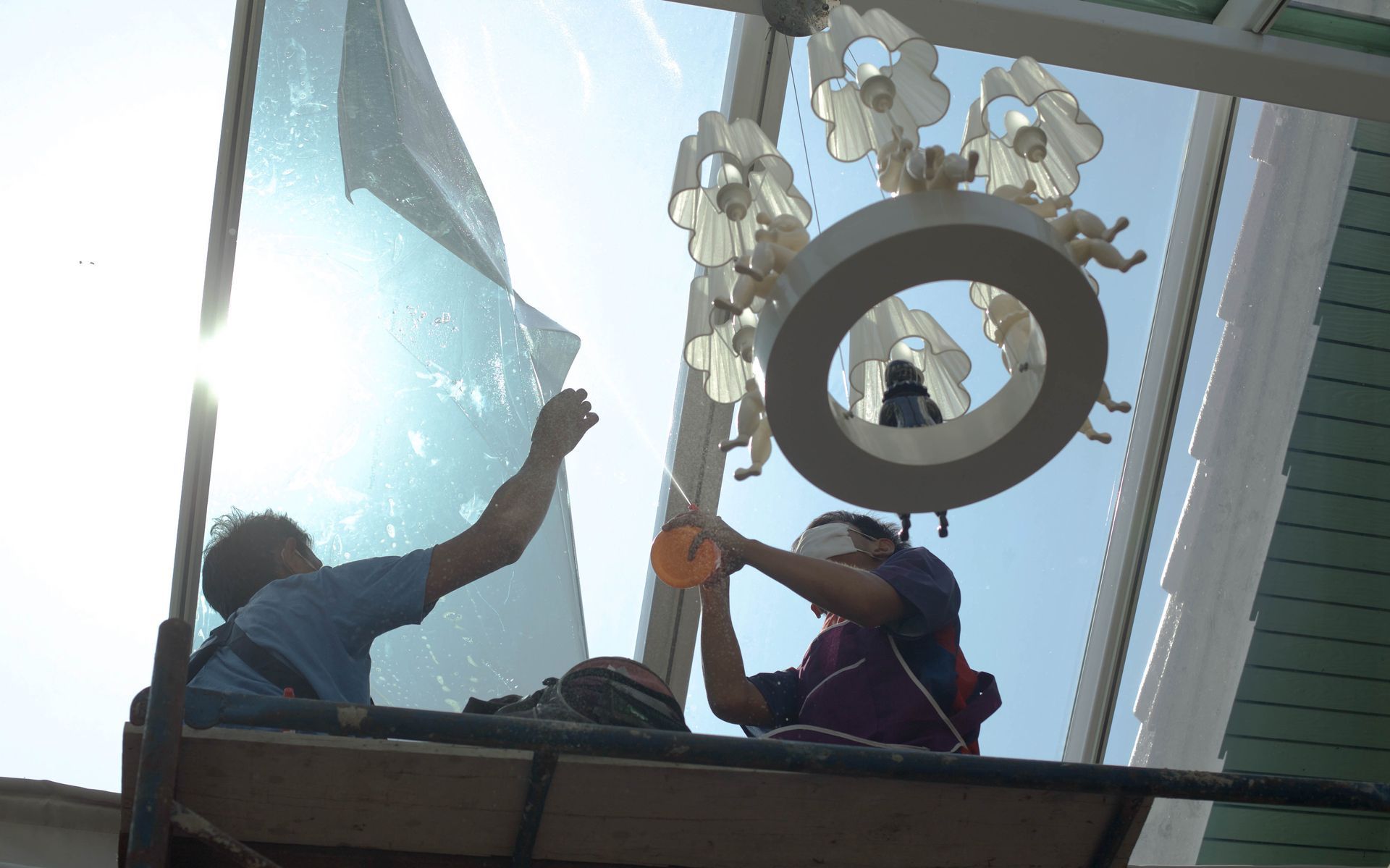
A professional residential window tinting service evaluates the glass before recommending a product because not every film is suitable for every window. The installer may consider glass type, pane configuration, existing coatings, orientation, and warranty requirements. Proper product selection and installation help prevent bubbling, peeling, uneven appearance, and unnecessary stress on the glass. This professional approach allows homeowners to pursue meaningful efficiency improvements while preserving windows that are otherwise in good condition.
Home window tinting improves energy efficiency by reducing solar heat gain, lowering cooling demand, supporting steadier indoor temperatures, and slowing heat transfer through existing glass. It can also help homeowners use natural light more effectively, protect interior materials, and avoid replacing windows that still perform well structurally. The best results depend on choosing a film that matches the home's glass, exposure, climate, and comfort goals. Professional installation ensures the material is applied smoothly and selected with long-term performance in mind. To make your home more comfortable and energy efficient with expert window film installation, contact Professional Glass Tinting.